
Fun Ways to Learn Coding While Improving Your English Skills.
Emma Thompson · 22 August 2026
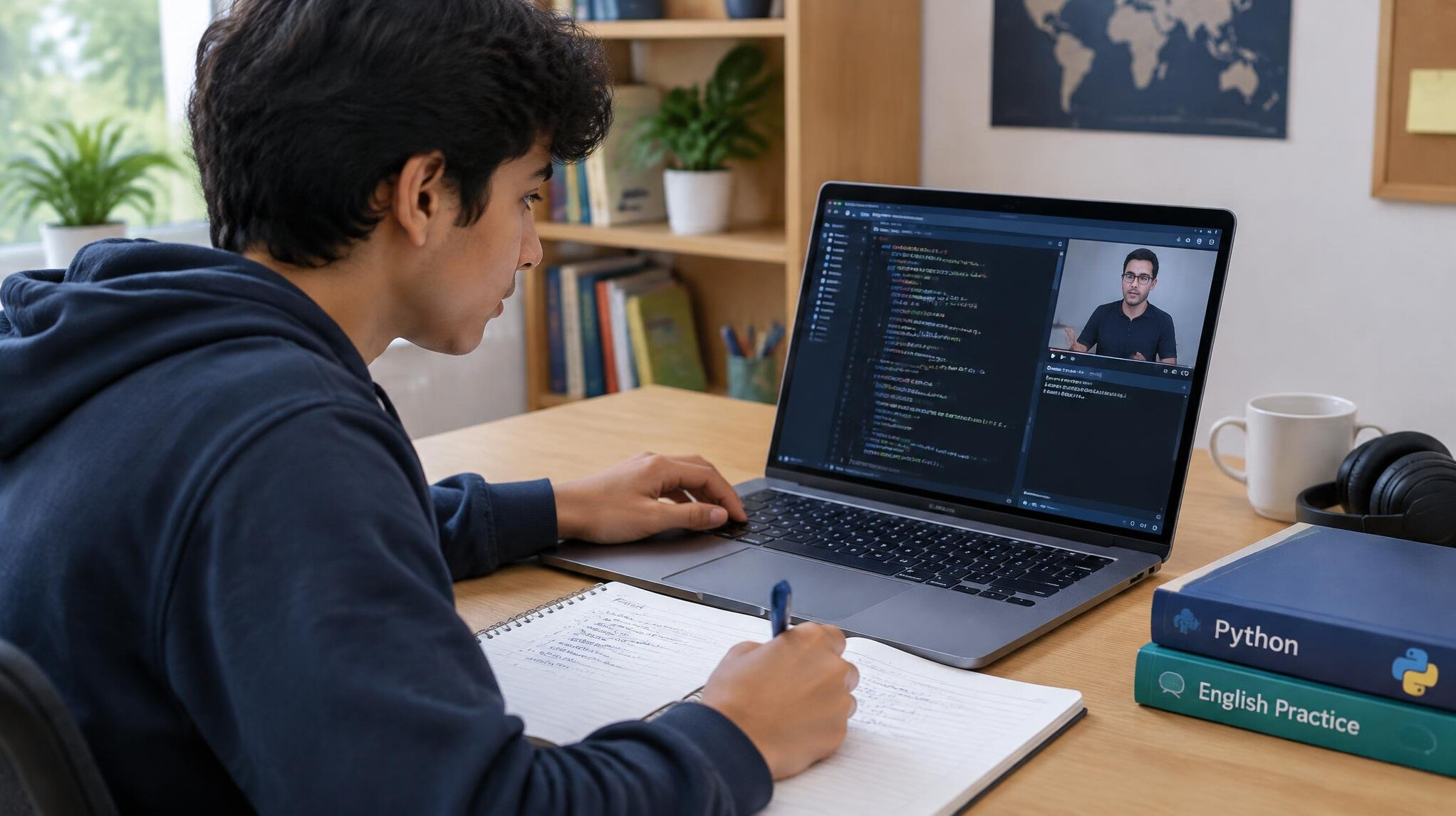
Learning to code can feel overwhelming at first, especially when you are also trying to strengthen your English skills at the same time. Many people find that combining these two goals makes both tasks more engaging and less like a chore. At progifynu we see students every day who turn coding practice into language improvement without even realizing it. The key is choosing activities that feel playful rather than academic.
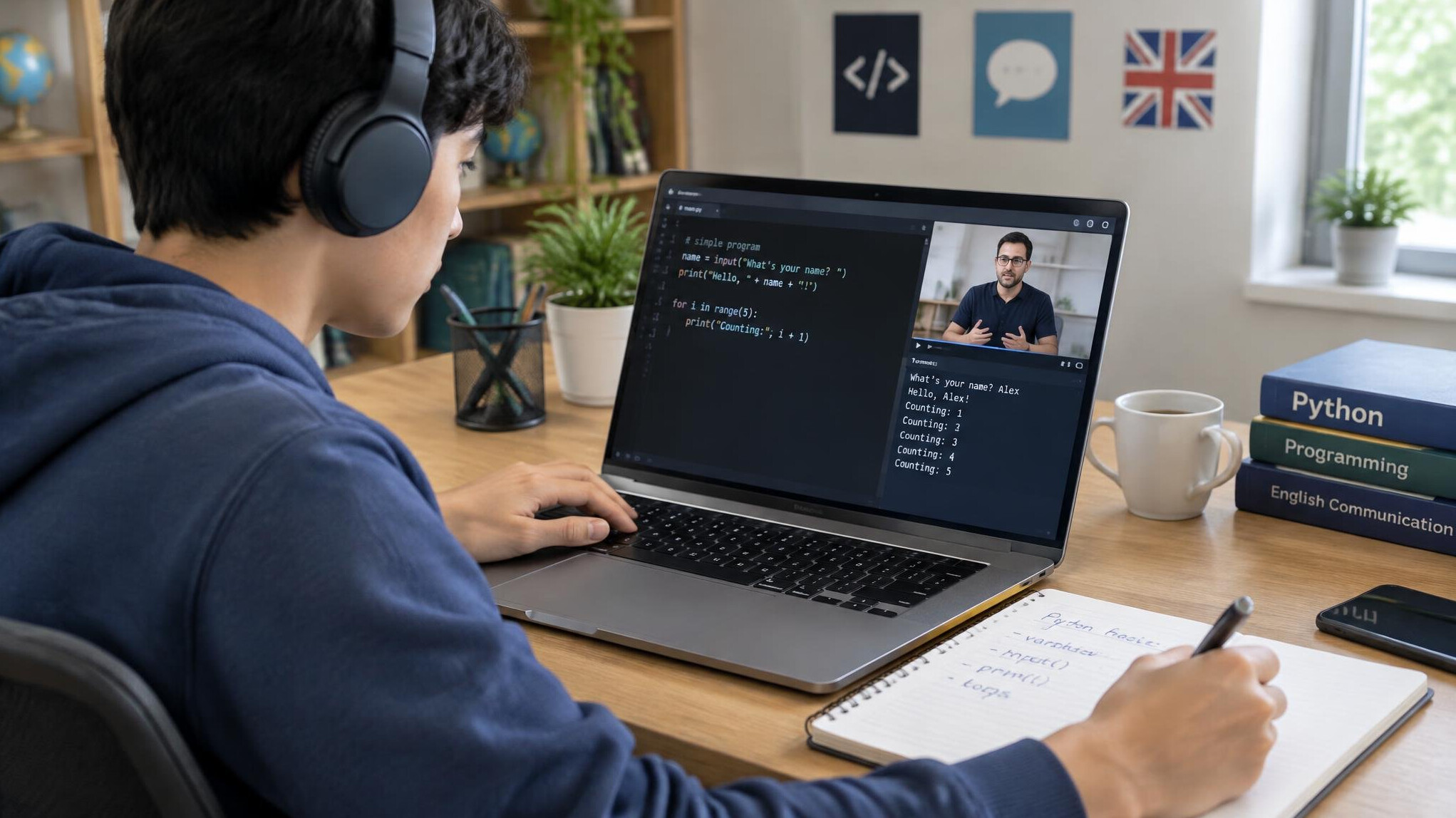
Interactive Games That Teach Both Skills
One of the best starting points is using coding games that include English instructions and storylines. Platforms with built-in narratives force you to read and understand directions while you solve puzzles. As you progress through levels you naturally pick up new vocabulary related to logic, sequences, and problem solving. Many learners report that they remember words better because they used them immediately in a practical task rather than memorizing lists.
Pair Programming with a Twist
Working with a partner adds a social element that improves speaking and listening. You can explain your code in English, ask questions about functions, or describe errors you encounter. This back-and-forth builds confidence in technical conversations. Try recording short sessions so you can review your pronunciation later. Over time you will notice smoother explanations and fewer pauses when discussing code.

Watch and Repeat with Video Tutorials
Short video lessons allow you to hear natural English while seeing code appear on screen. Pause after each explanation and try to repeat the sentence aloud before typing the command yourself. This technique strengthens both listening comprehension and muscle memory for coding. Choose creators who speak clearly and use everyday phrases rather than heavy jargon at the beginning.
Write Simple Blogs About Your Projects
After finishing a small project, write a short post describing what you built and any challenges you faced. Use simple sentences at first and gradually add more detail. Reading your own words helps identify grammar mistakes while you reinforce the programming concepts you just learned. Friends or classmates can offer gentle corrections that improve both your writing and technical understanding.
Combining coding and language practice turns two difficult skills into one enjoyable habit that grows stronger every week.
Daily Challenges Keep Motivation High
Set small daily tasks such as translating a code comment into English or explaining an algorithm to an imaginary friend. These micro practices add up quickly. Over a month you will have practiced hundreds of sentences while building real projects. The sense of progress keeps you coming back instead of giving up after a few weeks.

Community Forums Offer Real Feedback
Joining online groups where members share code and discuss solutions exposes you to authentic English used by programmers worldwide. Reading questions and answers helps you learn common expressions like debugging steps or feature requests. When you feel ready, post your own code and respond to others in clear English. The supportive atmosphere makes mistakes feel normal rather than embarrassing.
These methods work because they connect new information to meaningful actions. Instead of studying grammar rules in isolation you use them while creating something useful. Students at progifynu often say the combination feels lighter and more rewarding than separate lessons. Start with one activity that matches your current level and add others as you grow more comfortable. Soon both your coding ability and English fluency will advance together without extra effort.